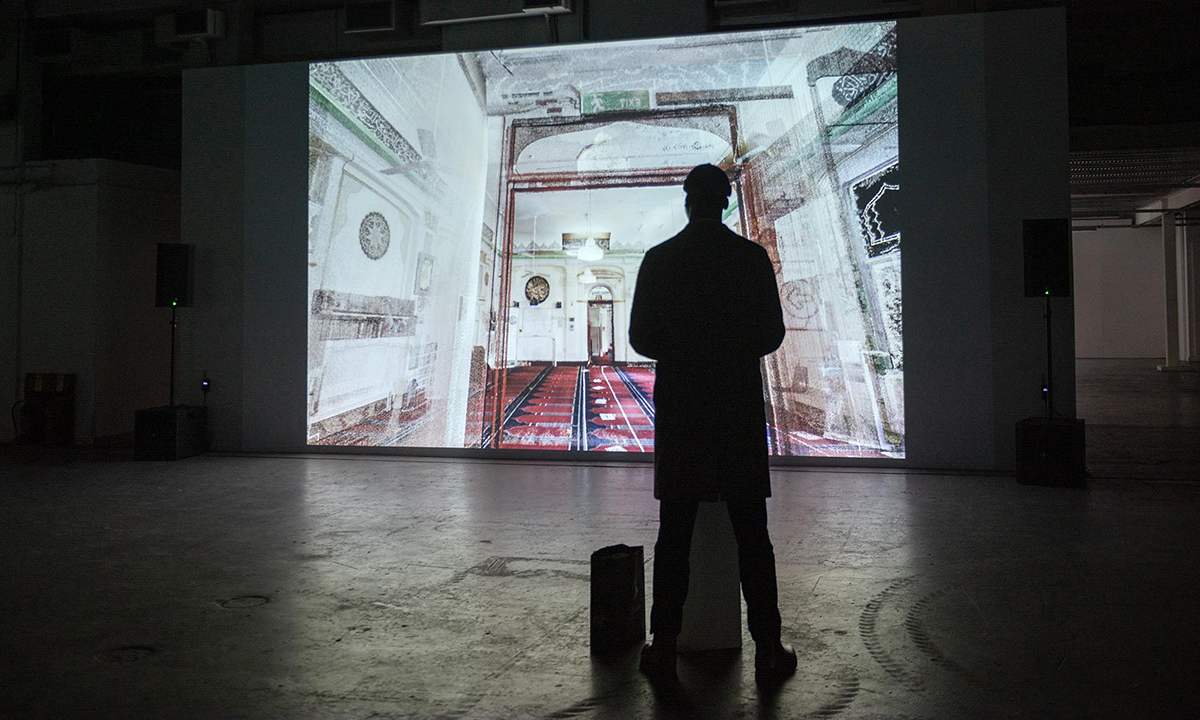
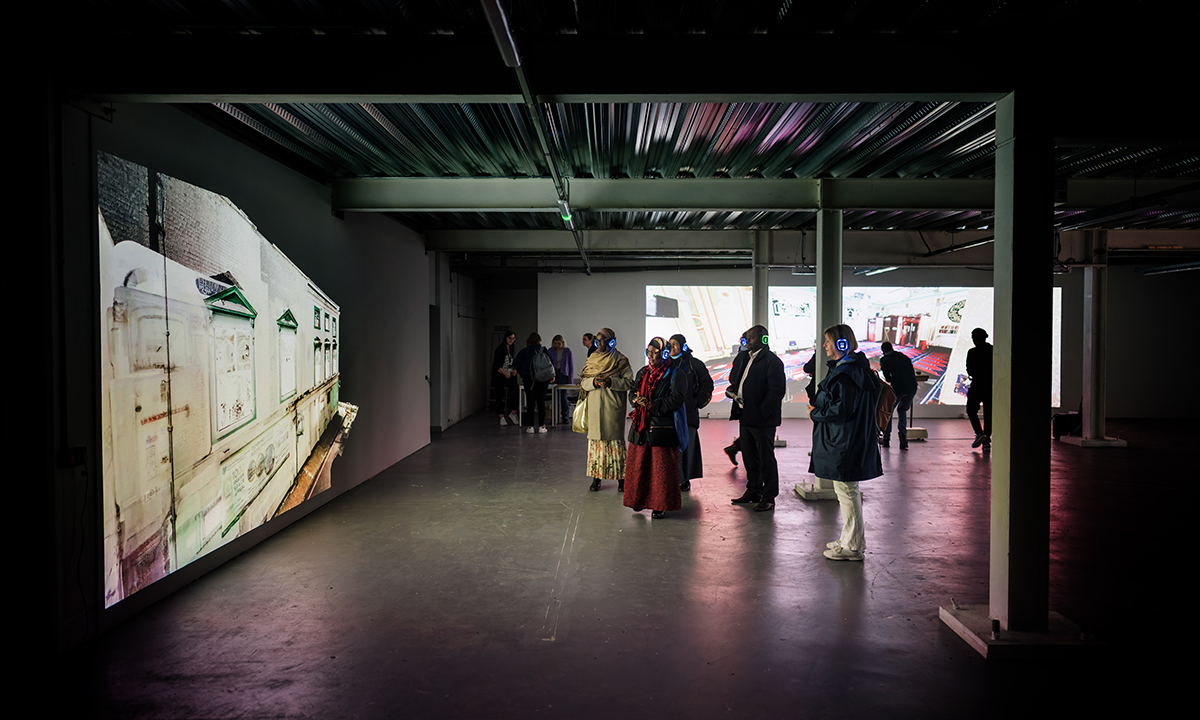
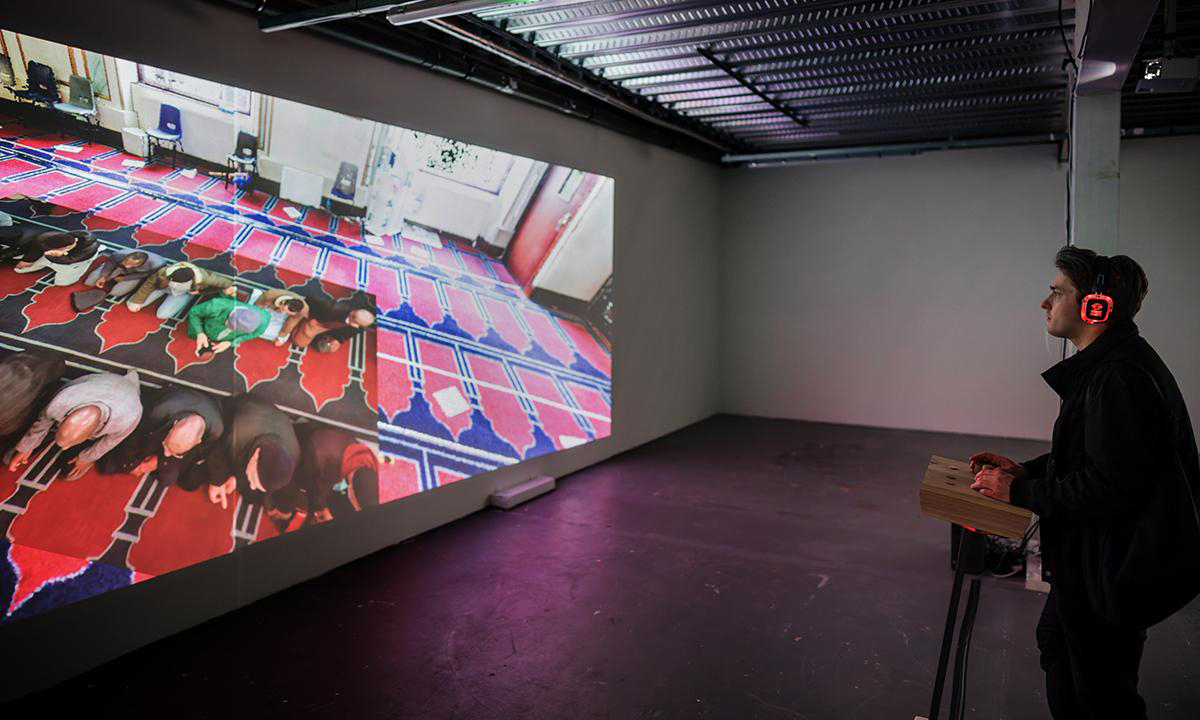
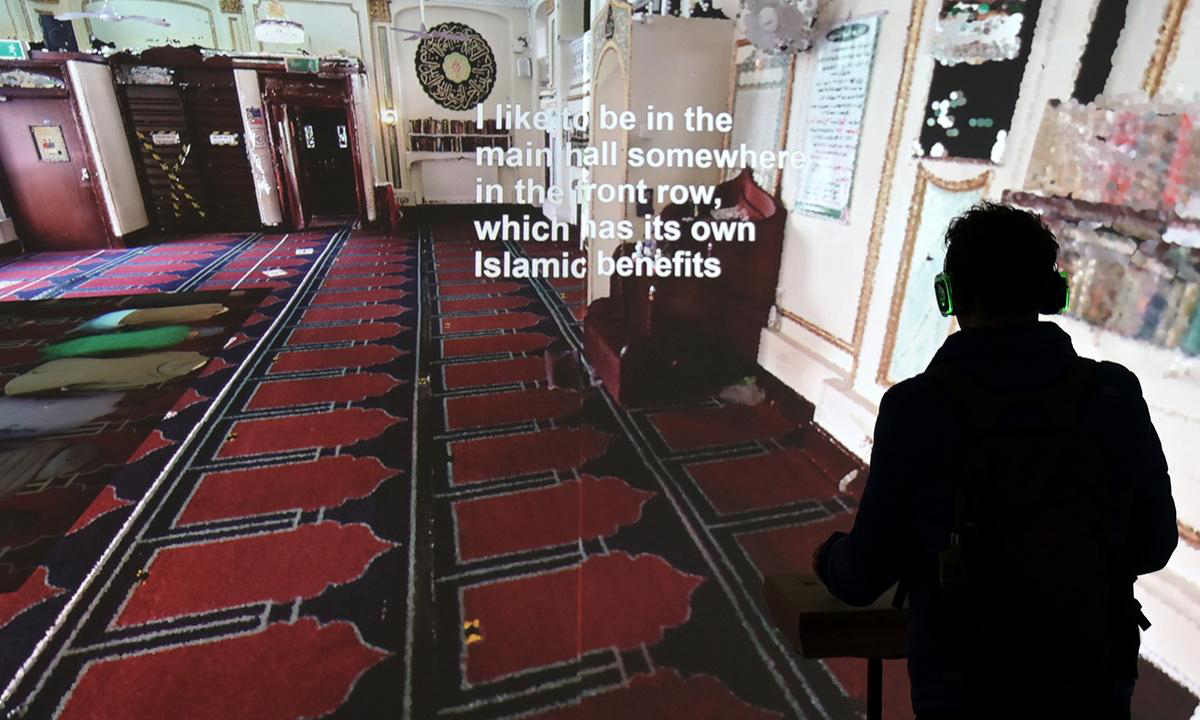
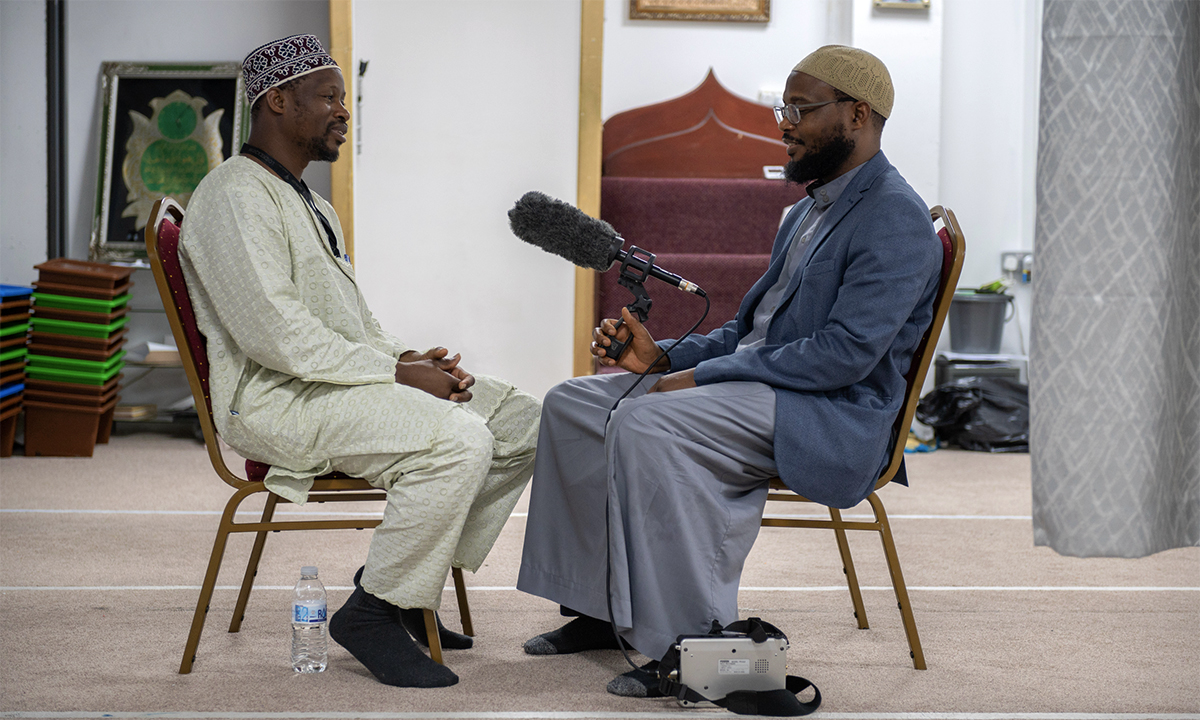
Virtual Assembly is an interactive digital model of Old Kent Road Mosque and the Muslim Association of Nigeria UK (MANUK), developed in response to the demolition and redevelopment of their mosque on Old Kent Road, Southwark. The roots date back to the early 1960s, when a transient community of Nigerians first arrived in London to study. Although initially temporary, by the 1980s, a more permanent community had formed, leading to the establishment of MANUK. A decade later, MANUK acquired its first dedicated place of worship—the Old Kent Road Mosque. In 2018, permission was granted for a new six-storey mosque to be built on the same site, as both a devotional act and a practical response to the needs of a growing congregation. Prior to demolition, the entire building was LiDAR scanned, serving as the foundation for the Virtual Assembly interactive model to house pre-recorded films of congregational prayers, complemented by a collection of stories and personal accounts from mosque members.
More Info
Migrant faith communities and their histories often remain undocumented and underrepresented. This interactive model, created and curated in collaboration with the mosque congregation, acts as an experiential archive, revealing the lived experiences and embodied knowledge of the users. It examines the way that space and material culture are used to facilitate worship and reinforce cultural and religious identities while offering innovative ways to engage with the tangible and intangible cultural heritage of London’s oldest Nigerian community during a significant phase of their evolutionary journey. The navigation through the digital model was carefully shaped by the social and religious customs of the community; this approach allows users to experience the building in a way that was culturally resonant and reflective of the lived practices of its worshippers.
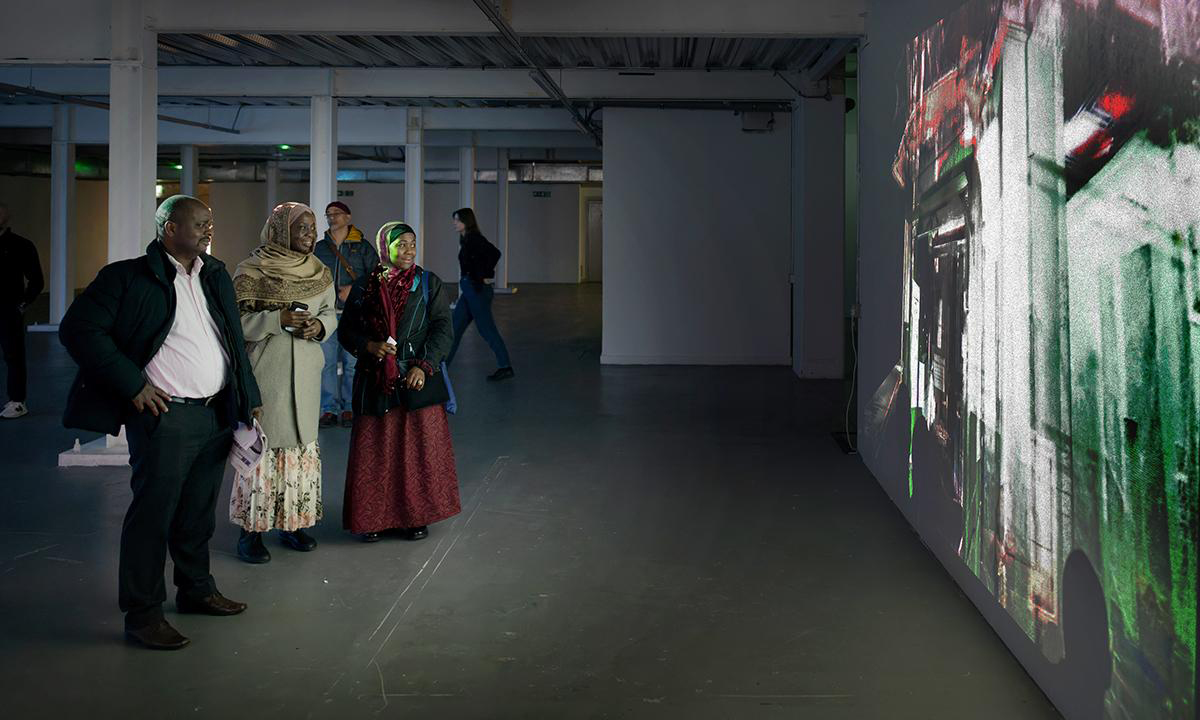
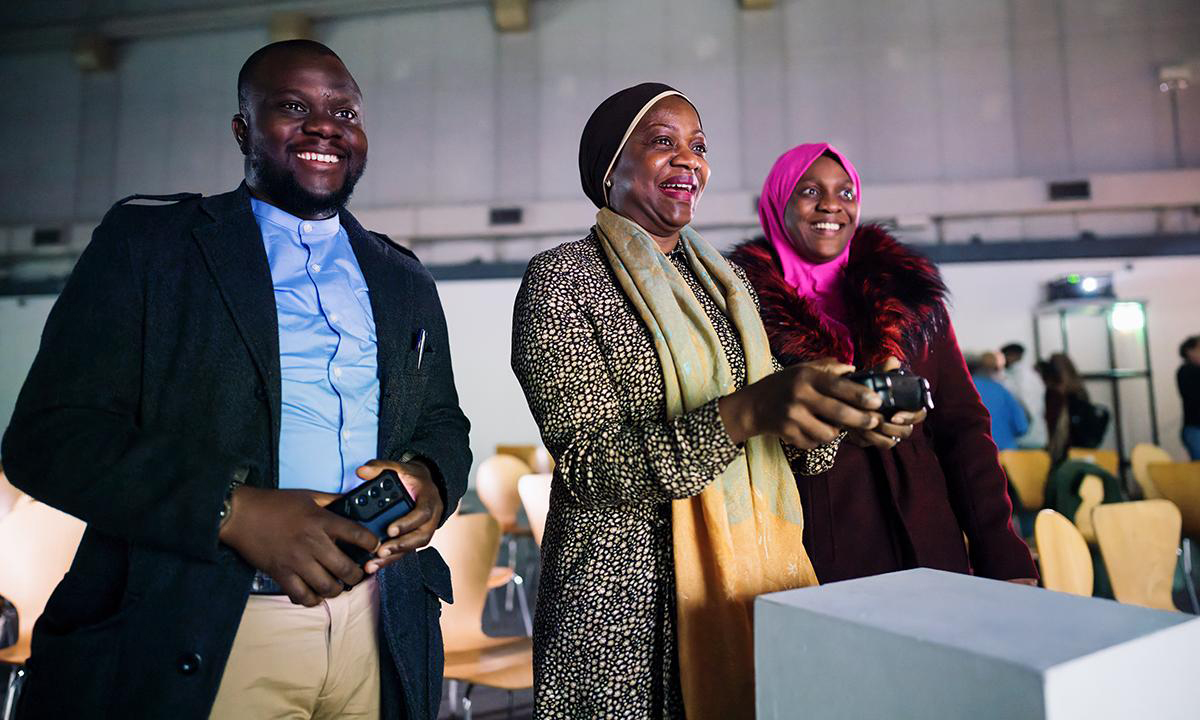
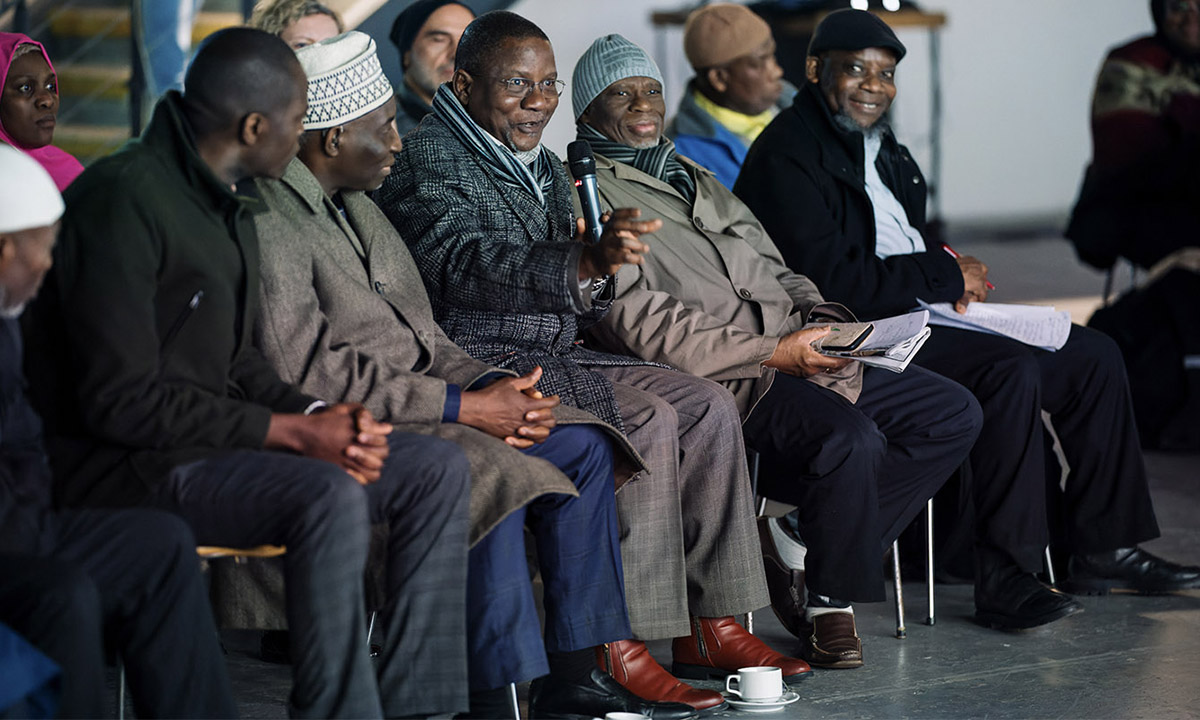
During the project’s development phase, a series of prototypes were exhibited at Ambika P3, allowing congregation members to engage with the models and reflect upon the work. These models were brought to life through large-scale projections, offering an interactive experience for the audience. The exhibition opening attracted over 60 members of the congregation, who eagerly explored the interactive models and provided valuable feedback and responses to the work. Virtual Assembly employs visual, spatial, and auditory elements rooted in collective memory, creating a virtual space for contemplating the dynamic relationship between the past and present.