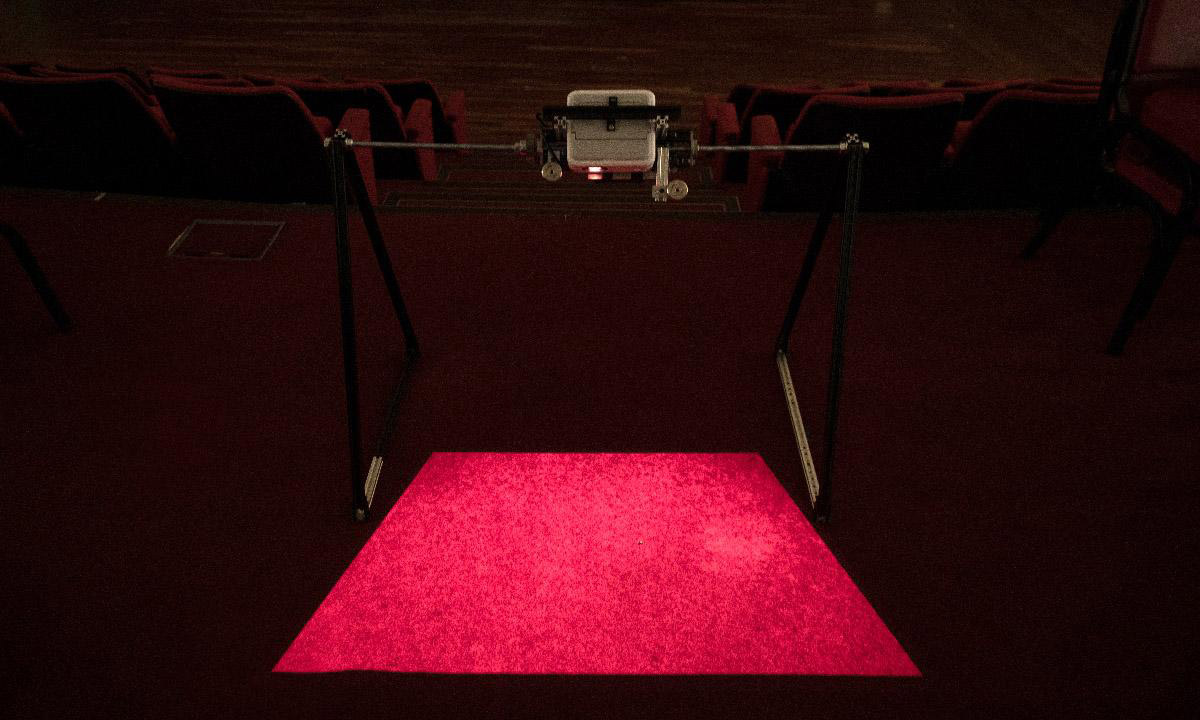
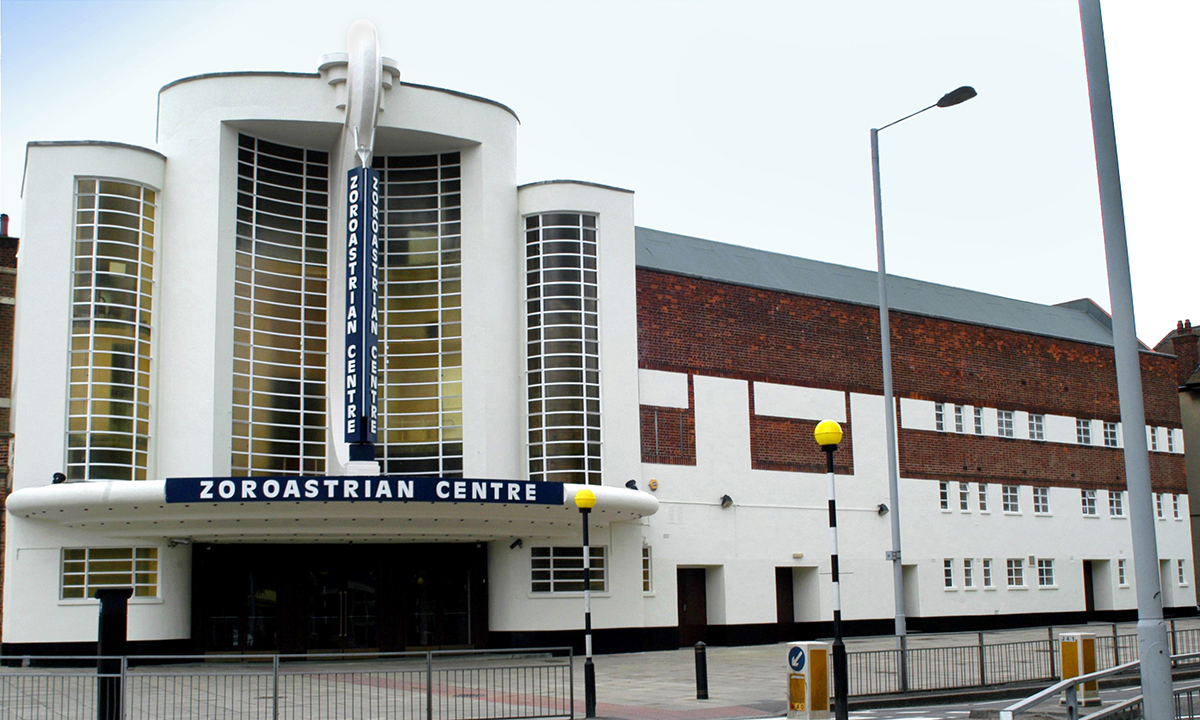
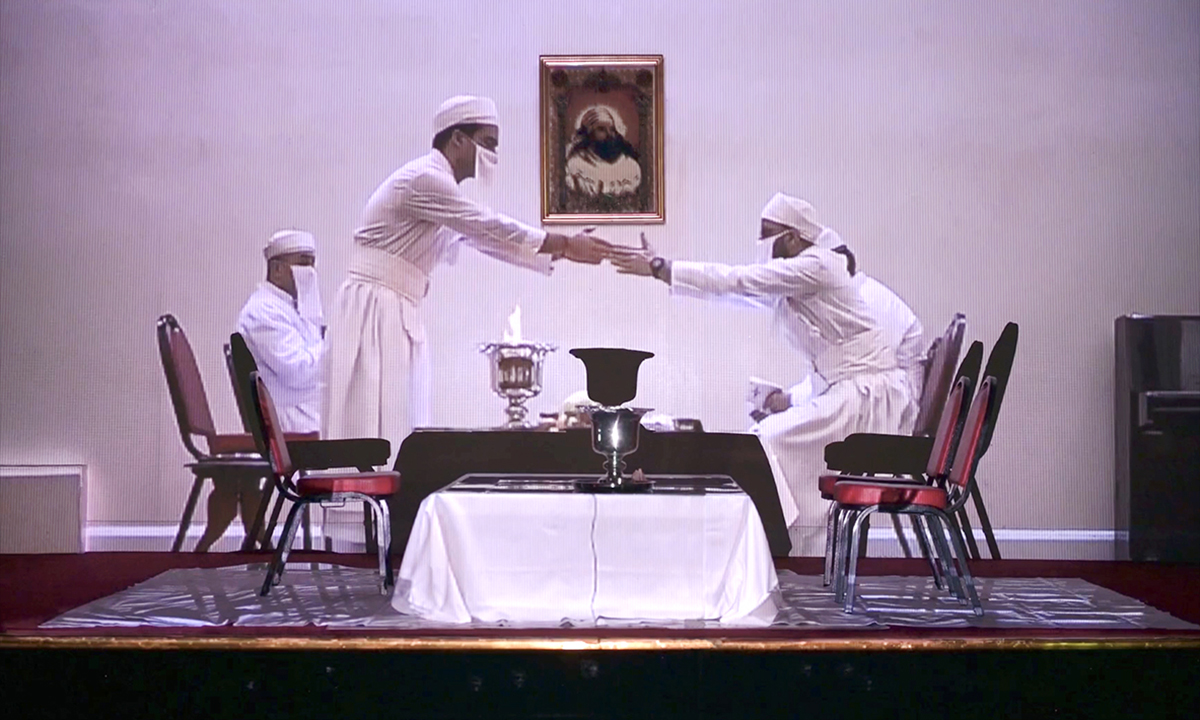
Moving Pictures explores how migrant faith communities across England transform former cinemas into active spaces of worship and collective gathering. A residency at the Zoroastrian Centre for Europe, housed within the former Grosvenor Cinema, focuses on two ceremonies central to Zoroastrian devotional practice: the Jashan and the Boi. Using the Site-integrity methodology, bespoke filming and projection devices were developed through ongoing dialogue with congregation members, resident priests and the spiritual, material and architectural conditions of the site itself. Shaped by ritual protocols, the circulation of bodies through the former cinema, the acoustics of prayer, the qualities of light and smoke, and the practical constraints of a Grade II* listed building, the work approaches moving image not as a neutral act of documentation but as a site-responsive practice that allows form to emerge through what is already being lived.
More Info
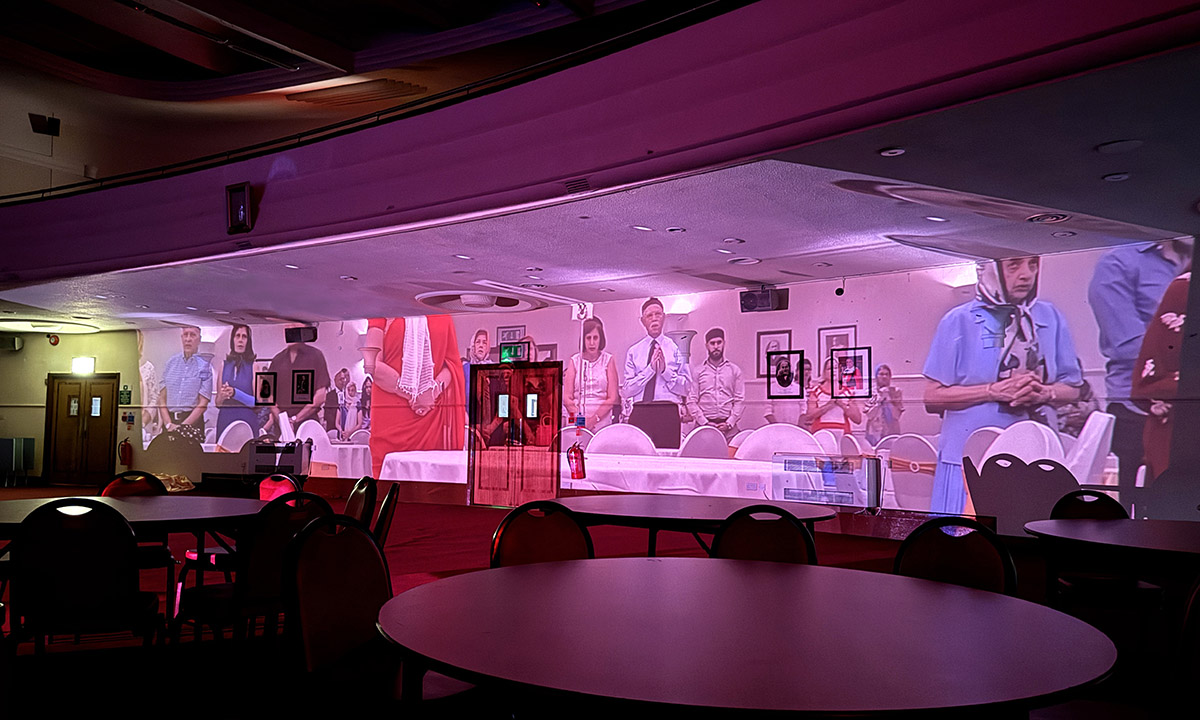
Within the Zartoshty Brothers Hall, a moving film projection retraces the original cinematic sightline of the former cinema at a 1:1 scale, aligning filmed ritual precisely with the architecture in which it unfolds. Congregation members describe how the circular motion of projected light throughout the space recalls the presence of Ahura Mazda. Light no longer simply illuminates ceremony; it moves through the congregation and the building itself. Reprojection therefore becomes more than an act of return: it offers a means through which ritual significance might be encountered differently and extended through moving image.
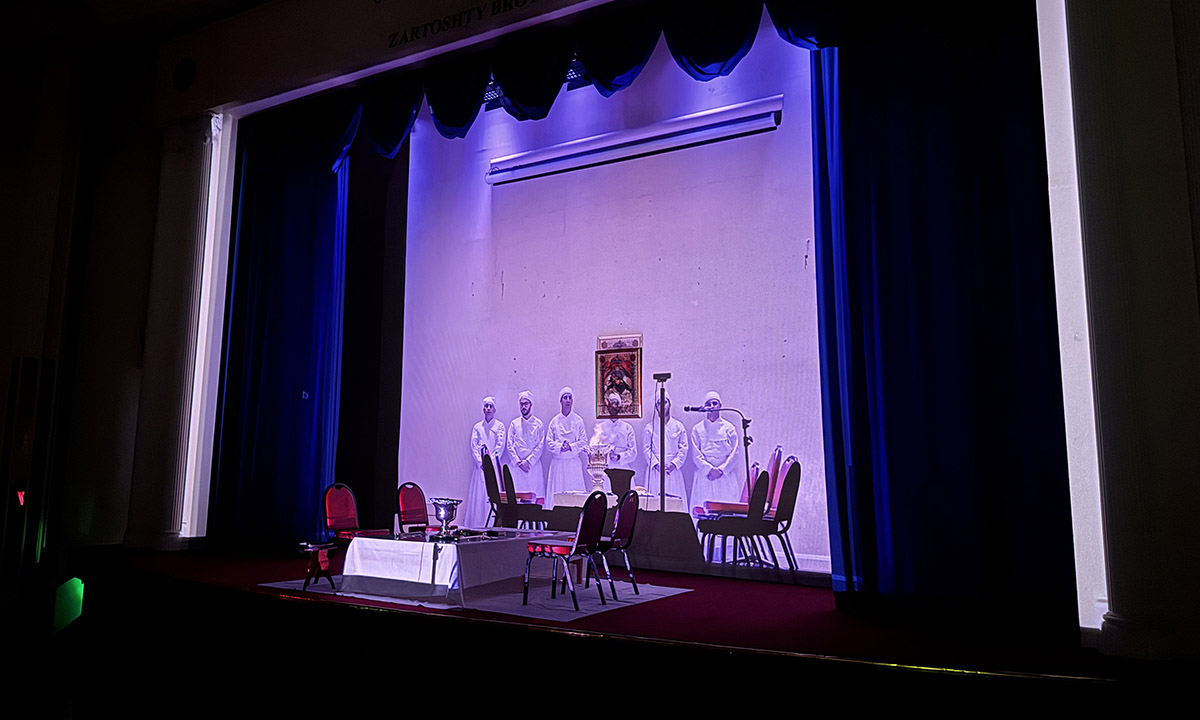
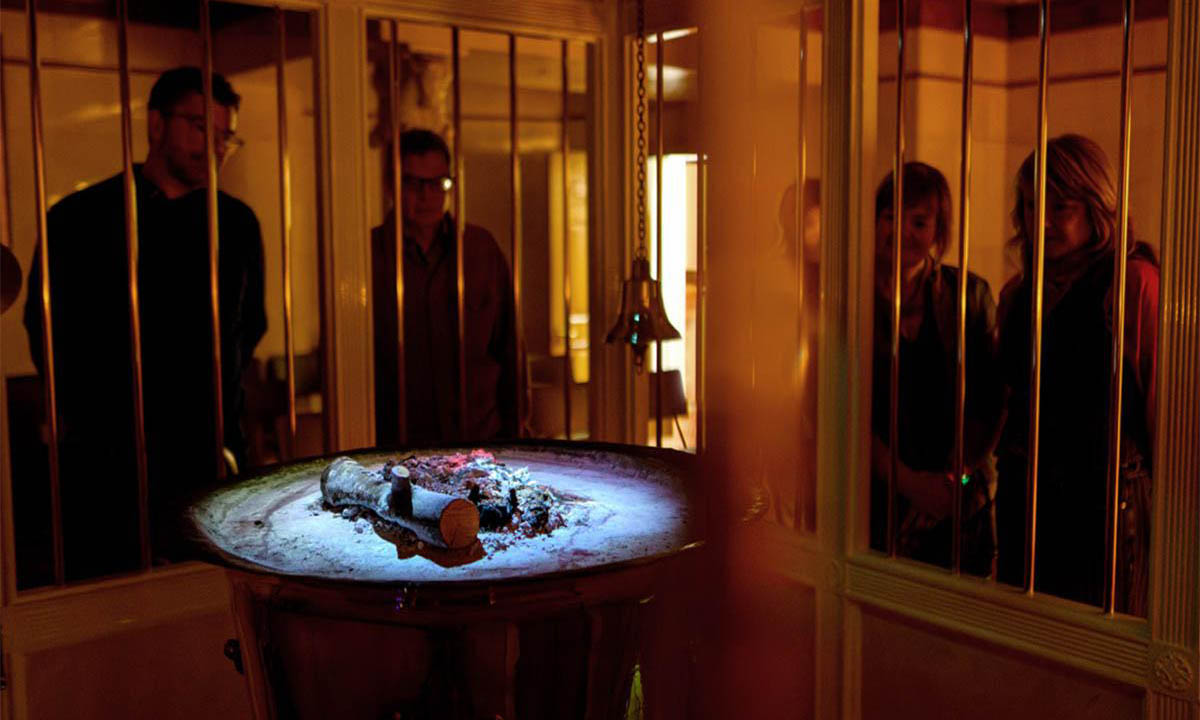
In the Setayasht Gah, overhead footage of the Boi ceremony is projected directly back onto the sacred fire. Smoke, sandalwood, chant and flickering image become momentarily inseparable. Rather than seeking to capture devotional practice in its entirety, the work remains attentive to what exceeds representation, recognising that ritual significance resides as much in atmosphere, rhythm and embodied presence as in what can be made visible.
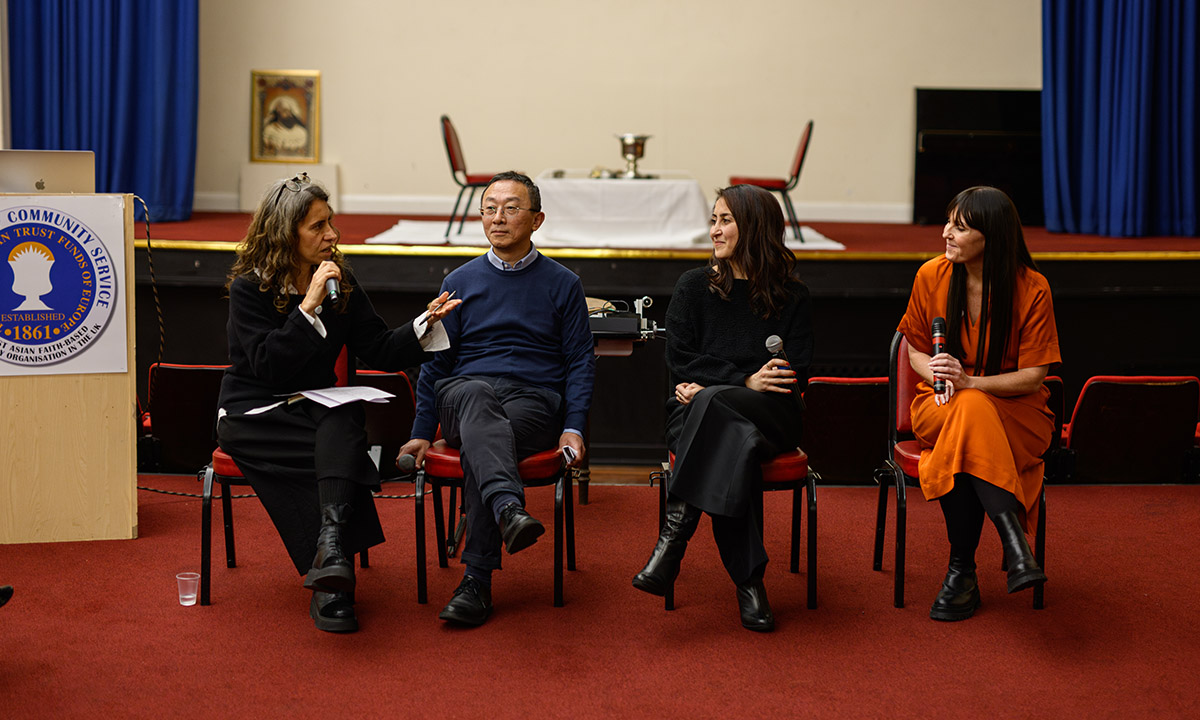
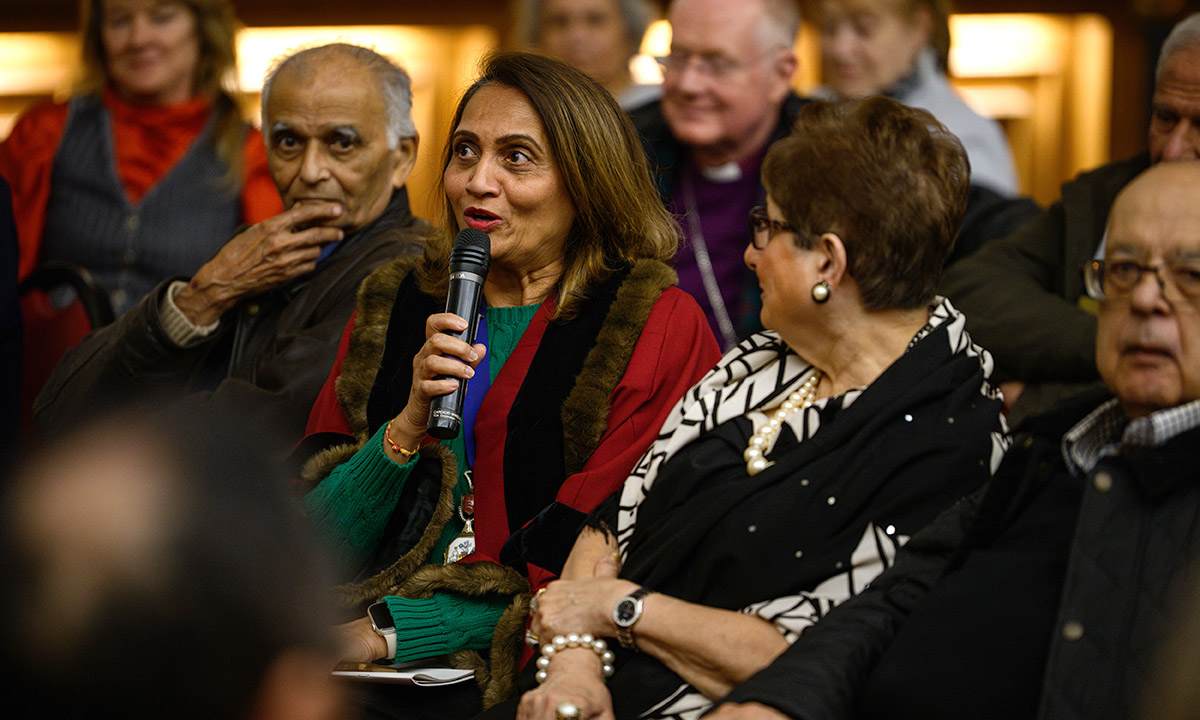
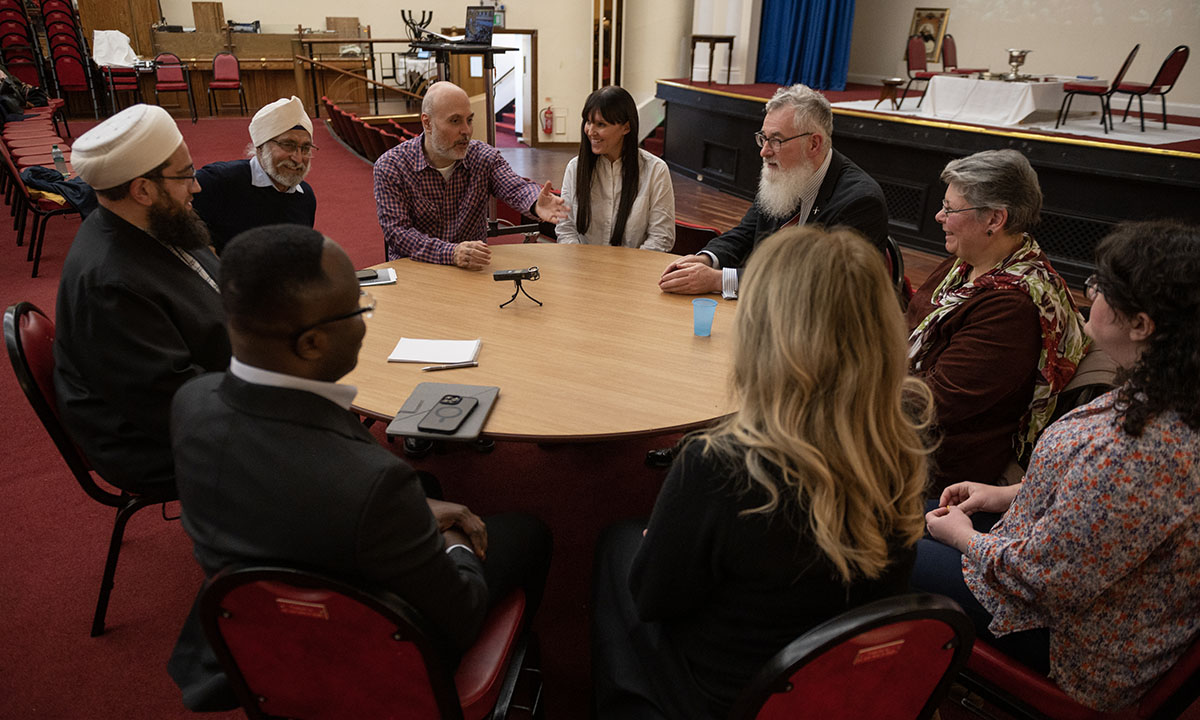
Developed through workshops and iterative reflection with congregation members and resident priests, the work emerged through a process of testing, adjustment and attentive listening. Questions of movement, scale and projection were negotiated collectively, allowing the apparatus to respond to the devotional life of the centre rather than imposing a predetermined cinematic form. Public screenings through the London Migration Film Festival invited these encounters into dialogue with wider audiences, extending conversations around how former cinemas continue to gather communities through new forms of collective attention.
This work forms part of the wider research project, Moving Pictures: Reusing Cinemas as Places of Worship in the Diaspora. Further project material can be found at moving-pictures.info.